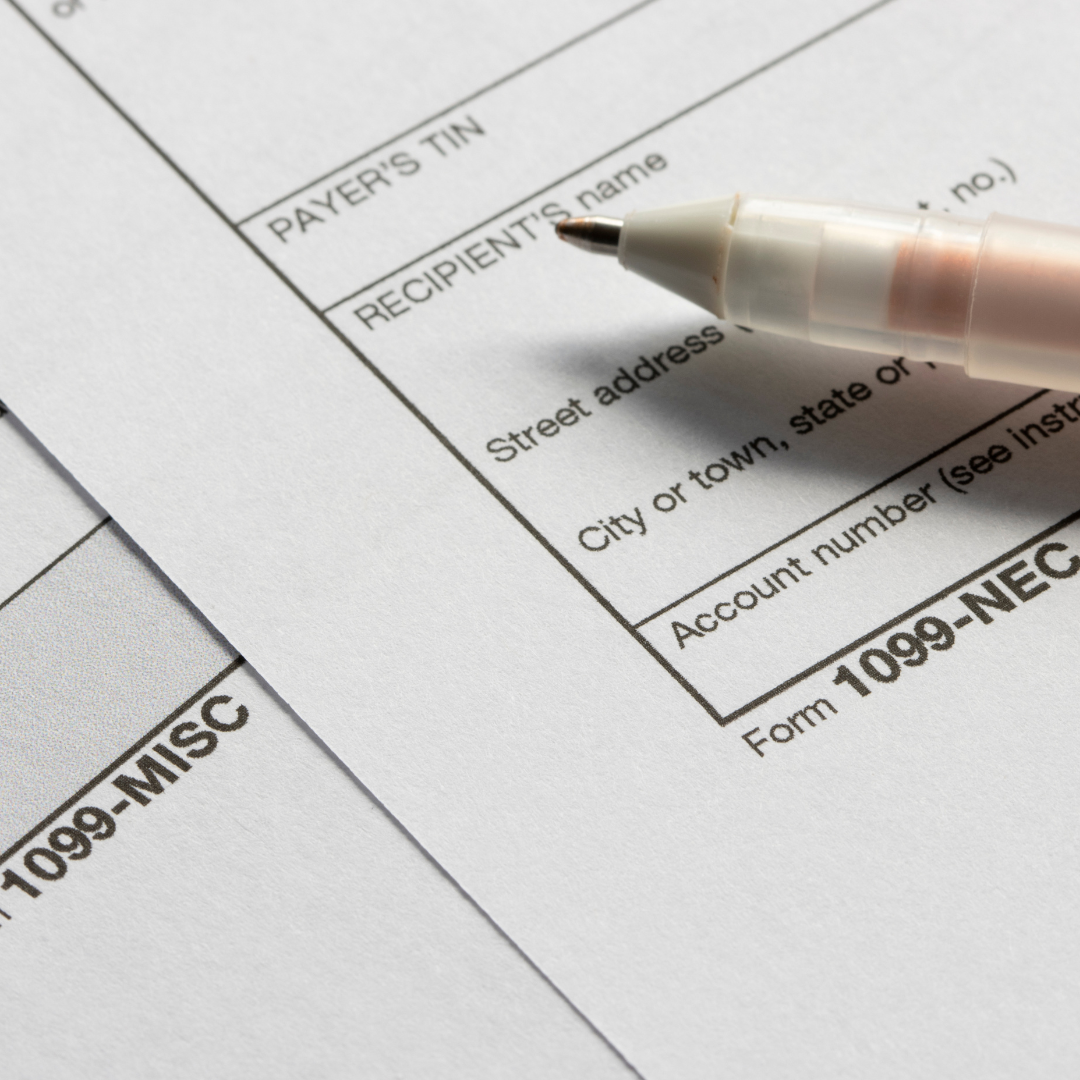
The holidays are here; a time for celebrations, year-end planning, and maybe even a little reflection on everything your business accomplished this year. Processing 1099s isn’t just about compliance, it also helps confirm deductions, maintain accurate records, and reduce the risk of IRS notices down the road. At Froehling Anderson, we help businesses approach 1099s proactively, so year-end doesn’t turn into year-end stress.

Making Your List: Who Needs a 1099?

A good 1099 process starts with one simple question: Who did you pay during the year?

In general, businesses that paid $600 or more in 2025 to a consultant, contractor, vendor, individual, or unincorporated entity for services are required to issue a Form 1099. Common examples include payments to:

  • Independent contractors and consultants
  • Attorneys (even if they are incorporated)
  • Landlords you paid rent to above the $600 threshold
  • Certain vendors or service providers

Identifying these vendors early makes the entire process smoother and avoids last-minute scrambling in January.

A Critical Step: Collecting and Verifying W-9s

One of the most important (and often overlooked) steps in 1099 preparation is collecting and verifying Form W-9 information. Before forms are issued, businesses should:

  • Confirm you have a completed IRS Form W-9 for each contractor
  • Verify Taxpayer Identification Numbers (TINs) and mailing addresses
  • Review vendor classification (individual, LLC, S corporation, etc.)

Getting this information now helps prevent filing delays, errors, and potential penalties. Missing or incorrect 1099s can become costly quickly.

Why Accuracy Matters More Than Ever

While many small businesses are focused on maximizing deductions at year-end, the IRS is paying close attention to 1099 mismatches when income reported by a business doesn’t match what a contractor reports on their return.

Failing to issue a required 1099 or filing an incorrect one may expose your business to penalties, including:

  • $60 per form if corrected within 30 days
  • Up to $630 per form for late, incorrect, or missing filings (for large filers)

Accuracy isn’t just best practice, it’s protection.

Which 1099 Form Is the Right One?

There’s no one-size-fits-all approach to 1099s. Depending on the type of payment and vendor, different forms may apply, including:

  • 1099-NEC (nonemployee compensation)
  • 1099-MISC (certain rents, prizes, and other income)
  • 1099-K (payments processed through third-party networks)

It’s also important to note that payments made via credit cards or third-party processors (such as PayPal or Venmo Business) are typically reported by the processor on Form 1099-K, not by your business directly.

If you’re unsure which form applies, or how payments should be coded in your bookkeeping, this is where professional guidance can make a big difference.

Checking It Twice: Your Year-End 1099 Checklist

It’s a good time of year to double-check a few key items:

  • Are all vendor payments properly coded, reviewed, and reported?
  • Have payment methods been confirmed (check/ACH versus credit card)?
  • Are W-9s collected and business types verified?
  • Are the correct forms identified (1099-NEC vs. 1099-MISC)?

A little attention now can save hours, and headaches, later.

How Froehling Anderson Can Help

At Froehling Anderson, our team of experts works closely with business owners to simplify year-end processes and keep compliance on track. As trusted accountants located in Minneapolis and St. Cloud, Minnesota, we take a proactive, detail-driven approach; helping you identify required filings, verify information, and submit accurate 1099s on time.

Our goal is the same: to take the stress of 1099s off your plate so you can focus on what matters most this holiday season and beyond.

Disclaimer: This content is for informational purposes only and does not constitute legal, tax, or audit advice. Please consult with your CPA for guidance tailored to your situation.