We have moved! Please note our new address: 605 North US Highway 169, Suite 500, Plymouth, MN 55441.

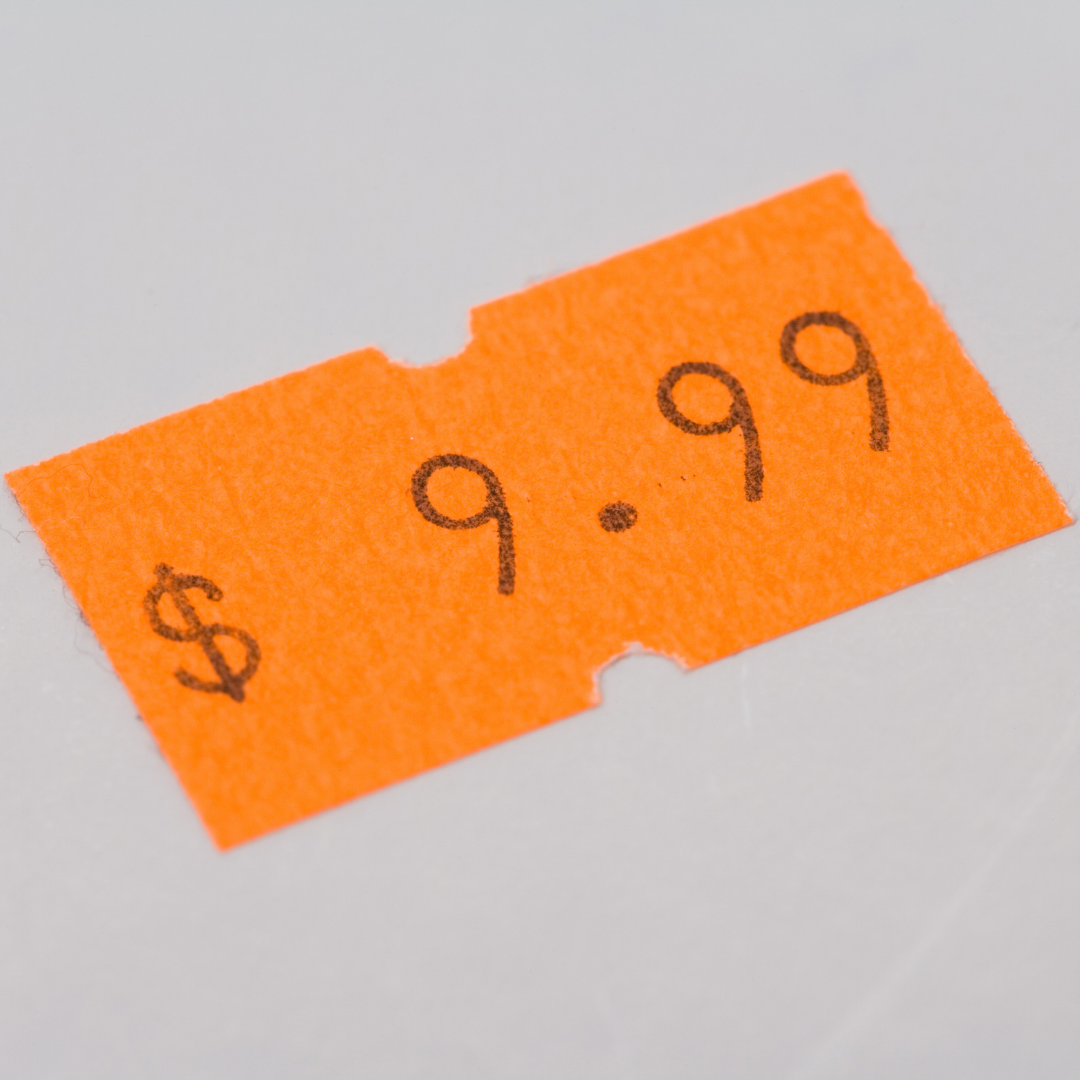
At first glance, saving a penny doesn’t seem meaningful. Yet researchers and marketers have studied this phenomenon for decades because consumers consistently perceive prices ending in “9” differently than rounded numbers.

For business owners, understanding pricing psychology can help improve conversion rates, influence purchasing decisions, and strengthen profitability without necessarily lowering prices.

What Is Charm Pricing?

Charm pricing is the practice of pricing a product or service just below a round number, such as:

  • $9.99 instead of $10.00
  • $49 instead of $50
  • $1,495 instead of $1,500
  • $24,900 instead of $25,000

The strategy is based on what’s often called the left-digit effect. When consumers scan a price, they tend to focus heavily on the first digit they see.

Even though the difference between $9.99 and $10.00 is only one cent, many buyers mentally categorize one as being in the “$9 range” and the other as being in the “$10 range.”

Why Does Charm Pricing Work?

Pricing is rarely just about numbers. It’s about perception.

When customers compare options, they often make quick judgments about value, affordability, and risk. Charm pricing can influence those judgments in several ways.

  1. It Creates a Perception of Value

Consumers often associate prices ending in .99 or .95 with discounts, deals, or special offers.

Even when no sale is involved, the price can feel more attractive because buyers perceive they’re getting slightly better value for their money.

  1. It Simplifies Decision-Making

Most purchasing decisions happen quickly.

When a customer sees $499 instead of $500, the brain often processes the lower number more favorably, making it easier to move forward with the purchase.

  1. It Helps With Online Search Filters

Today’s buyers frequently use search filters when shopping.

For example:

  • A customer may set a budget cap of $500.
  • A product priced at $499 appears in results.
  • A product priced at $500 may not.

The same principle applies to:

  • Real estate listings
  • Equipment sales
  • E-commerce products
  • Service packages
  • Subscription pricing

Being just below a common pricing threshold can improve visibility and generate more opportunities to be considered.

Does Charm Pricing Still Work in the Age of AI?

Yes, but consumers are becoming more sophisticated.

AI-driven search tools, recommendation engines, and comparison platforms now make it easier for buyers to evaluate alternatives. However, human psychology still influences final purchasing decisions.

The businesses seeing the greatest success today aren’t simply lowering prices by a dollar. They’re combining strategic pricing with:

  • Clear value propositions
  • Transparent pricing
  • Strong customer reviews
  • Easy-to-understand service packages
  • Consistent brand positioning

In other words, charm pricing works best when it supports a strong overall customer experience.

When Should Your Business Use Charm Pricing?

Not every company will benefit equally, but it can be highly effective in the right situations.

Retail and Consumer Products

This remains the most common application.

Examples:

  • $29.99 apparel
  • $199 electronics
  • $49 seasonal promotions

Consumers naturally compare prices in these categories, making psychological pricing especially influential.

Service Packages

Many service-based businesses can benefit from charm pricing when offering:

  • Fixed-fee projects
  • Consulting packages
  • Subscription plans
  • Maintenance programs

A package priced at $1,495 may feel more approachable than $1,500 while maintaining virtually the same revenue.

Construction and Trade Services

Contractors, builders, and specialty trade businesses often use strategic pricing on:

  • Service bundles
  • Maintenance agreements
  • Residential project estimates
  • Equipment packages

The difference may be small, but it can help a proposal stand out in a competitive market.

Equipment and Inventory Sales

Manufacturers, distributors, and dealers frequently use charm pricing to encourage faster purchasing decisions without significantly impacting margins.

When Should You Avoid Charm Pricing?

Like any business strategy, charm pricing isn’t always the right choice.

High-End or Luxury Offerings

Premium brands often rely on rounded pricing because it communicates confidence, exclusivity, and quality.

Examples:

  • $5,000 executive coaching package
  • $25,000 consulting engagement
  • $100 luxury dining experience

Rounded numbers can reinforce a premium image.

Complex B2B Transactions

Business buyers often prioritize expertise, reliability, and outcomes over psychological pricing.

In proposals, contracts, and enterprise agreements, rounded pricing may appear more professional and trustworthy.

Long-Term Client Relationships

For many professional service firms, including accounting firms, legal firms, and consulting organizations, clarity often matters more than pricing psychology.

Clients want confidence in the value they receive, not a perception of a bargain.

How Can You Test Whether Charm Pricing Works for Your Business?

The best pricing strategy is the one supported by your own data.

Consider testing:

  • One service package versus another
  • Rounded versus charm-priced estimates
  • Promotional offers
  • Seasonal campaigns
  • Online product listings

Track:

  • Conversion rates
  • Sales volume
  • Average transaction value
  • Customer feedback
  • Gross margin impact

Small changes can produce meaningful results when measured consistently.

Pricing Strategy Is About More Than a Number

Many business owners spend significant time managing costs but far less time thinking about pricing strategy.

Yet pricing is one of the most powerful profit levers available.

A small adjustment in how prices are presented can influence customer behavior, improve conversion rates, and increase revenue without adding new products, hiring additional staff, or expanding operations.

The key is understanding your audience and choosing a pricing approach that aligns with your brand, your market, and your long-term goals.

Need Help Building a More Profitable Pricing Strategy?

Pricing affects everything from cash flow and profitability to customer acquisition and long-term growth. Whether you’re evaluating service packages, reviewing margins, or preparing for expansion, a strategic approach to pricing can help you make more confident decisions.

At Froehling Anderson, our strategic advisors work with business owners to analyze financial performance, improve profitability, and develop strategies that support sustainable growth.

Let’s connect about whether your current pricing strategy is helping your business reach its full potential.


Disclaimer: This content is for informational purposes only and does not constitute legal, tax, or audit advice. Please consult with your plan advisor or CPA for guidance tailored to your situation.