
If you have employees age 50 or older who earn $145,000 or more in FICA wages, a significant retirement plan change is coming your way.
Category: Taxes
Key Takeaways from Froehling Anderson’s October BOSS Event
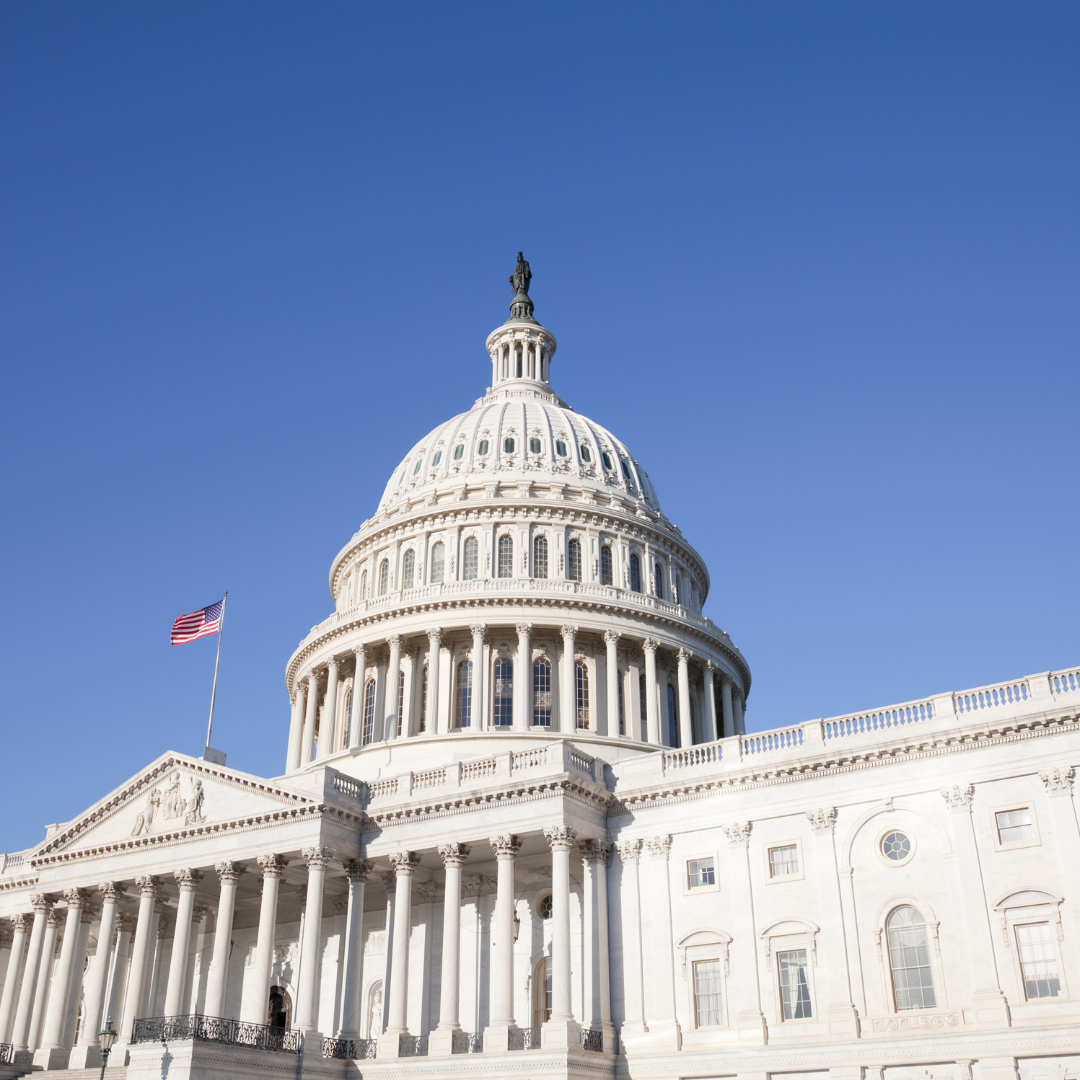
We explored what the One Big Beautiful Bill means for you and your business.
Return Estimates and Tax Preparation: Why Quarterly Planning Matters

When it comes to managing your tax obligations, many individuals focus on April 15—but smart tax planning happens year-round. Making accurate estimated tax payments is one of the best ways to stay compliant, avoid surprises and take control of your cash flow.
Understanding Tax Planning and Froehling Anderson’s Approach

Tax planning is more than preparing documents during filing season—it’s about proactively managing your financial decisions year-round to minimize your tax burden and prepare for the future. Froehling Anderson helps businesses and individuals develop customized strategies that not only ensure compliance with tax laws but also position you for long-term success.
Executive Order #14247

On September 30, 2025, a major shift in how Americans receive and send money to the federal government will take effect. What does this mean for federal payments and your finances?
Tax Preparation vs. Tax Planning: Why Both Matter for Your Business

What if there was a way to reduce tax liability before the numbers are locked in? That’s where tax planning comes in. While tax preparation is an essential compliance activity, tax planning is a strategic, proactive approach that helps businesses minimize their tax burden, maximize savings, and avoid unnecessary surprises.
What Investors Need to Know About the New Section 1202 Changes: More Flexibility, Bigger Tax Savings

The One Big Beautiful Bill Act, passed on July 4, 2025, introduces impactful changes to Section 1202 Qualified Small Business Stock (QSBS) gain exclusions—opening the door to more flexible investment strategies, larger tax savings, and expanded eligibility for startups and mid-range corporations.
If you’re a business owner, investor, or entrepreneur, these changes present new planning opportunities you won’t want to miss. Here’s a breakdown of what’s new, who benefits, and how you can leverage these updates with guidance from Froehling Anderson.