
Avoid IRS notices, missed refunds, and stress with these final checks.
Tag: Tax Compliance & Filing
Understanding PFICs & Form 8621

What You Need to Know About the Trump Accounts

As you may be aware, recent tax law changes have introduced a new savings vehicle for children called a Trump account.
Minnesota’s Paid Family & Medical Leave: What’s Taxable, What’s Changed, and What You Need to Know

Minnesota’s Paid Family and Medical Leave program is right around the corner, and as with most new programs, the tax treatment is evolving. As we head into 2026, updated IRS guidance has clarified how the PFML benefits will be taxed and reported for the short term.
New USPS Mailing Rules: How They Could Impact Your Year-End Tax Deductions

As year-end approaches, many taxpayers and business owners rush to finalize payments, contributions, and filings that impact their tax deductions.
1099s and the Holiday Season
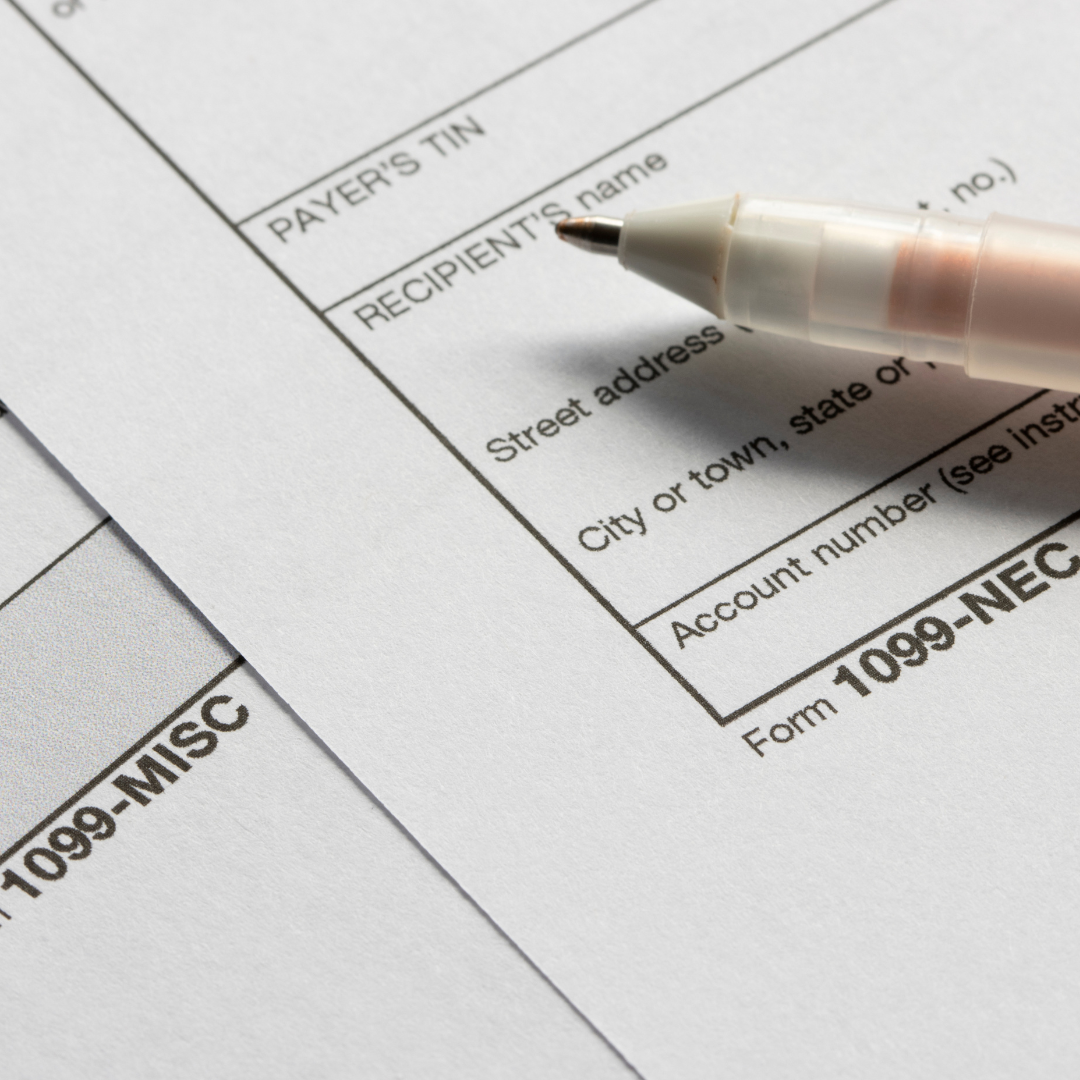
While you’re closing the books and looking ahead to the New Year, there’s one important task you don’t want to overlook: 1099 reporting.
Unrelated Business Income Tax (UBIT): What Nonprofits Need to Know

Nonprofit organizations work hard to focus on their mission: serving communities, supporting causes, and strengthening Minnesota. But when revenue begins flowing in from activities outside that mission, things can get complicated quickly.